All Categories
Featured

Financial Strategy for Elder Care in 2026
Table of Contents
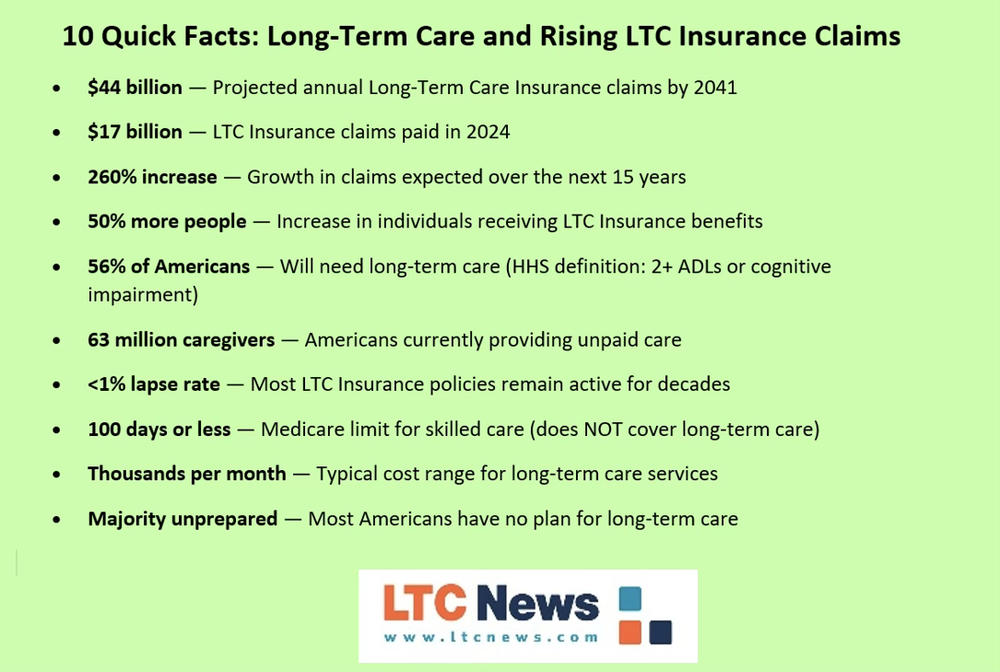
Long-term care (likewise called "custodial care" or "long-term services and assistance") includes medical and non-medical take care of individuals who have a chronic disease or disability. Most long-lasting care assists with standard individual jobs of daily life, often called "activities of daily living." This includes things like: Help with personal care support (like dressing, bathing, and using the bathroom)Home-delivered mealsAdult day health careTransportationIt's important to begin preparing for non-medical long-lasting care now to preserve your self-reliance and ensure you get the care you may require, in the setting you want, now and in the future.
How can I learn about long-term care choices if I'm currently in a health center or assisted living home?.
As you age, there might come a day when you need some extra aid looking after yourself. Long-term care is the individual support you may need if you're not able to carry out the Activities of Daily Living, or ADLs, on your own for an extended period of time. The 6 ADLs include: Consuming Bathing Dressing Transferring Toileting (to or from a bed or wheelchair) Continence When you hear "long-lasting care," you may right away believe "retirement home," however today there are a wide array of services readily available that you may receive at a center, in the community or in the comfort of your own home.
Think about these typical everyday expenses of care:1 Housewife services: $163 per day Home health aide: $169 each day Assisted living center: $148 per day Semi-private space in an assisted living home: $260 each day Personal space in an assisted living home: $297 daily Many senior citizens can't pay for to spend for long-term care on their own, numerous turn to long-lasting care insurance coverage.
Evaluating the Best Annuity for Retirement
It can cover your expenses in a range of settings, from your own home to center locations, such as adult day care, an assisted living center or nursing home. Long-term care policies usually reimburse you a monetary day-to-day quantity (up to a preselected limit) for assisted care services, such as consuming, bathing or dressing.
This mainly isn't real. Here are some primary differences in between these coverage types: is created to cover severe care, or the care you require when you're ill and will ultimately recover from your health problem. It covers medical professional sees, health center stays and rehabilitative care. is created to assist cover ongoing custodial care.
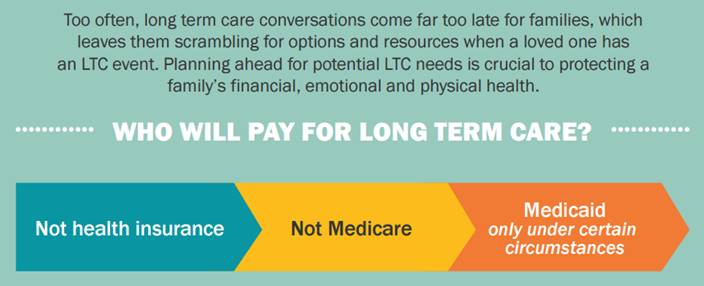
Medicare has a skilled nursing facility advantage that pays part of the expense of knowledgeable take care of a limited time period when the function is to assist a person recover after a particular medical problem. Under this benefit, experienced nursing care is only covered completely for 20 days and after that partially for 21 to 100 days, with no coverage after 100 days.
, the secret is whether the care is experienced or not. Medicare does not cover home health assistant services (like bathing, dressing and using the bathroom) unless you're also getting knowledgeable care such as nursing care or other treatment.
Projecting Upcoming Long-Term Care Expenses
Long-term care insurance coverage is particularly developed to help pay the cost of long-lasting care services by offering protection directly for facility and home health care. We advise seeking advice from with a trusted consultant or an insurance representative that focuses on long-lasting care before making any insurance purchase. Bankers Life can help you take the next action in preparing your long-lasting care strategy.
Assisted Living Home Expenses in 2023, ,, Skilled nursing center (SNF) care, ,, Home health services, , 2023. Bankers Life and their licensed agents/producers are not linked with or backed by the U.S. government or the federal Medicare program. ICC23-210431.
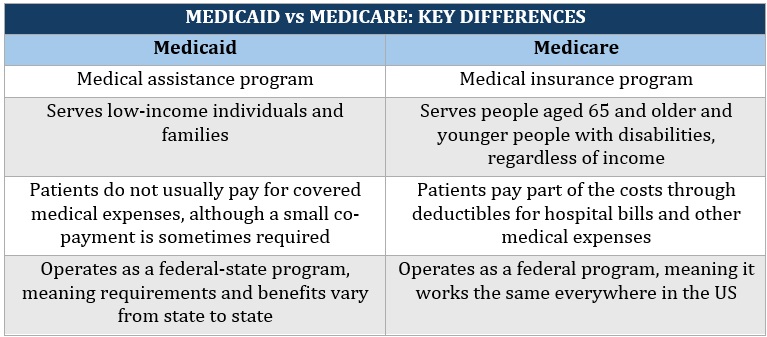
You normally can't get covered long-term care with Medicare. Does Medicare pay for any nursing home care? Beyond the healthcare you require, it does not. Various parts of Medicare might assist with services like skilled nursing care. Medicare Part A deals hospital insurance. This usually has nothing to do with retirement home care.
Medicare Part B deals medical insurance coverage. This typically indicates preventive care, which you might get in a retirement home setting. Part B does not cover the stay itself unless it's a medically necessary short-term stay. A long-lasting stay with custodial care would not be covered. Medicare Benefit (Part C) provides all the coverage you obtain from Parts A and B.
Retirement Planning Fontana CALike Part A and Part B, Medicare Advantage does not typically cover custodial care. You can get an Institutional Unique Requirements Strategy (I-SNP) that may offer this protection. Medicare Part D offers prescription drug coverage. If you require a covered prescription drug while remaining in an assisted living home, Part D will help spend for it.

Latest Posts

How to Prepare for Upcoming Long-Term Care Expenses
Managing Rising Medical Rates in 2026

Strategic Planning for LTC Care in 2026