All Categories
Featured

Strategic Financial Planning for Longevity in 2026
Table of Contents
1 Protection is ensured provided (1) the employee is actively at work and (2) dependents to be covered are exempt to medical constraints as stated on the registration type and in the Certificate. For CA-sitused cases, coverage is ensured offered (1) the worker is carrying out all of the typical and traditional responsibilities of your task at the employer's place of service or at an alternate location approved by your employer and (2) dependents to be covered are exempt to medical restrictions as stated on the enrollment type and in the Certificate.

Additional limitations may use to dependents serving in the militaries or living overseas. 2 Qualified Household Members implies all persons eligible for protection as defined in the Certificate. 3 Eligibility for mobility through the Continuation of Insurance Coverage with Premium Payment arrangement might be subject to particular eligibility requirements and limitations.
4 Please review the certificate for particular details about cancer benefits. 5 The Heart Attack Covered Condition pays a benefit for the incident of a myocardial infarction, subject to the terms of the certificate.
7 Medical Bankruptcy and the Economy, January 20, 2022. . Accessed July 2022. 8 Protection for Domestic Partners, civil union partners and mutual beneficiaries differs by state. Dependent child protection varies by state. Please contact MetLife to learn more. METLIFE CRITICAL ILLNESS INSURANCE (CII) IS A LIMITED BENEFIT GROUP INSURANCE PLAN.
Retirement Planning Anaheim CAProduct features and schedule vary by state. There may be a pre-existing condition exemption. There may be a Benefit Decrease Due to Age arrangement. There might be a Benefit Suspension Period between reoccurrences of the same Covered Condition or incidents of different Covered Issues. MetLife provides CII on both an Achieved Age basis, where rates will increase when a Covered Individual reaches a brand-new age band, and a Concern Age basis, where rates will not increase due to age.
Senior Accident Insurance Protections and Needs
MetLife reserves the right to raise premium rates for Issue Age CII on a class-wide basis. A more comprehensive description of the benefits, limitations, and exemptions relevant to MetLife's CII item can be discovered in the relevant Disclosure Declaration or Outline of Coverage/Disclosure Document readily available at time of registration. For complete details of protection and accessibility, please describe the group policy form GPNP07-CI, GPNP09-CI, GPNP10-CI, GPNP14-CI, GPNP19-CI or contact MetLife to find out more.
Advantages are underwritten by Metropolitan Life Insurance Coverage Company, New York City, New York City. MetLife's Vital Health problem Insurance coverage is not planned to be a replacement for Medical Protection supplying advantages for medical treatment, consisting of medical facility, surgical and medical expenses. MetLife's Critical Health problem Insurance does not provide repayment for such costs.
Insurance coverage is a method to help safeguard you and your household from life's unanticipated happenings. It can be hard to understand what type of protection you may require and when, especially as a Senior. Because age 65 is the age which the majority of people receive Medicare, we'll consider anyone of the age 65 and older as a Senior.
Life Insurance Fundamentals for Strategic Income Planning
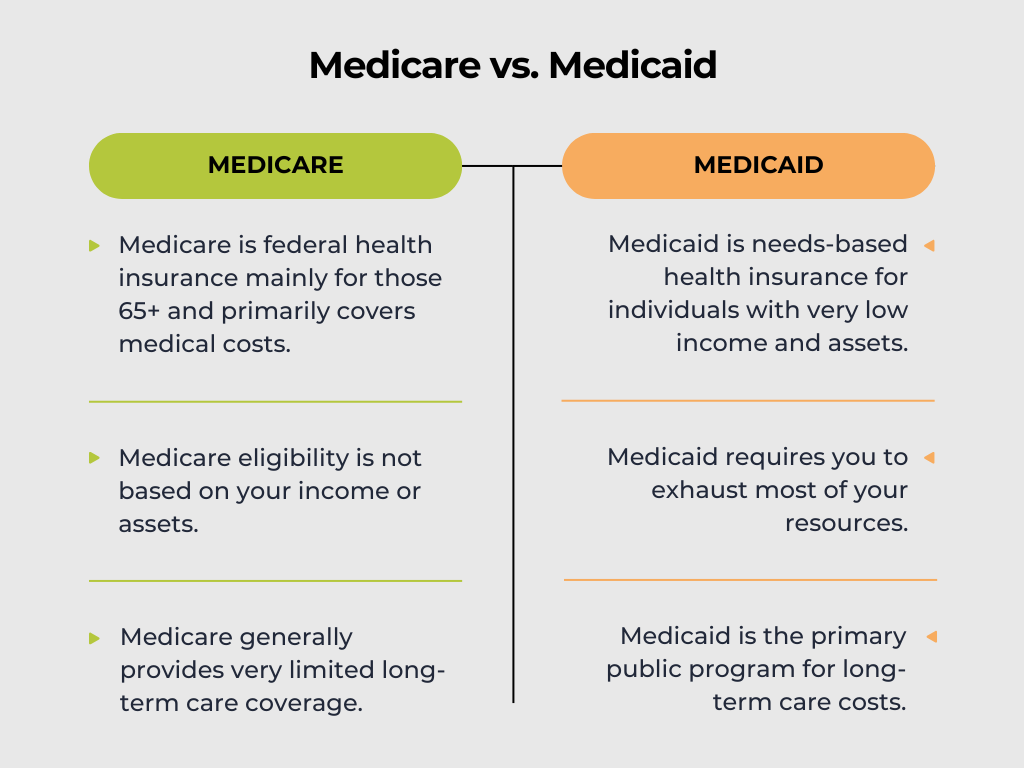
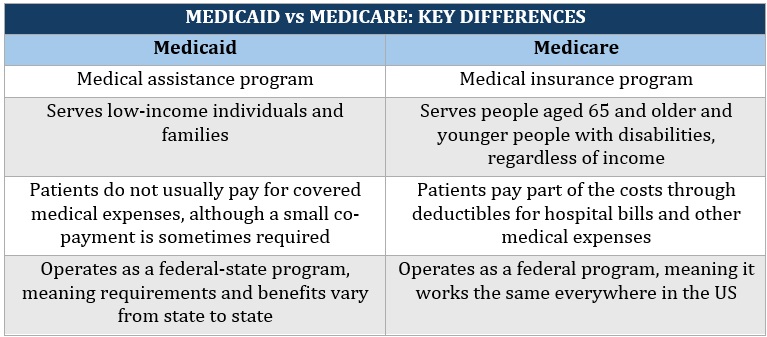
For nearly 96% of America's Seniors, their main health insurance is offered through Medicare. Medicare does not cover all medical expenses. Medicare supplement insurance, also referred to as "Medigap", assists fill in the gaps of coverages that Medicare Part B does not cover. Let's explore what additional medical insurance is, and 2 kinds of additional health insurance coverage, cancer insurance coverage and important disease insurance coverage.

1 Some types of supplemental health insurance coverage policies offer a cash benefit, paid as a swelling amount over a duration of time. This is not a comprehensive list of types of additional health insurance coverage.
Cancer insurance coverage offers benefits only if you are diagnosed with cancer, as specified by the terms of the insurance coverage. These policies offer limited benefits for the medical diagnosis and treatment of cancer. Many cancer insurance coverage provide advantages based upon defined health care expenses and expenditures sustained in conjunction with the treatment of cancer, though some policies might pay a lump-sum benefit upon medical diagnosis.
In addition, premiums might increase as you get older, or may increase if total claims paid for consumers covered under a business's specific cancer policy increase beyond the business's expectations. Cancer insurance coverage is in some cases referred to as a "defined disease" policy. Generally, insurance policy arrangements found in this type of coverage are extremely particular and limit benefits to a narrowly specified covered illness and treatment.

Latest Posts
Why Your Medicare Supplement Needs a Hospital Add-on

How to Prepare for Upcoming Long-Term Care Expenses
Managing Rising Medical Rates in 2026