All Categories
Featured

Using Life Insurance for Retirement Income
Table of Contents
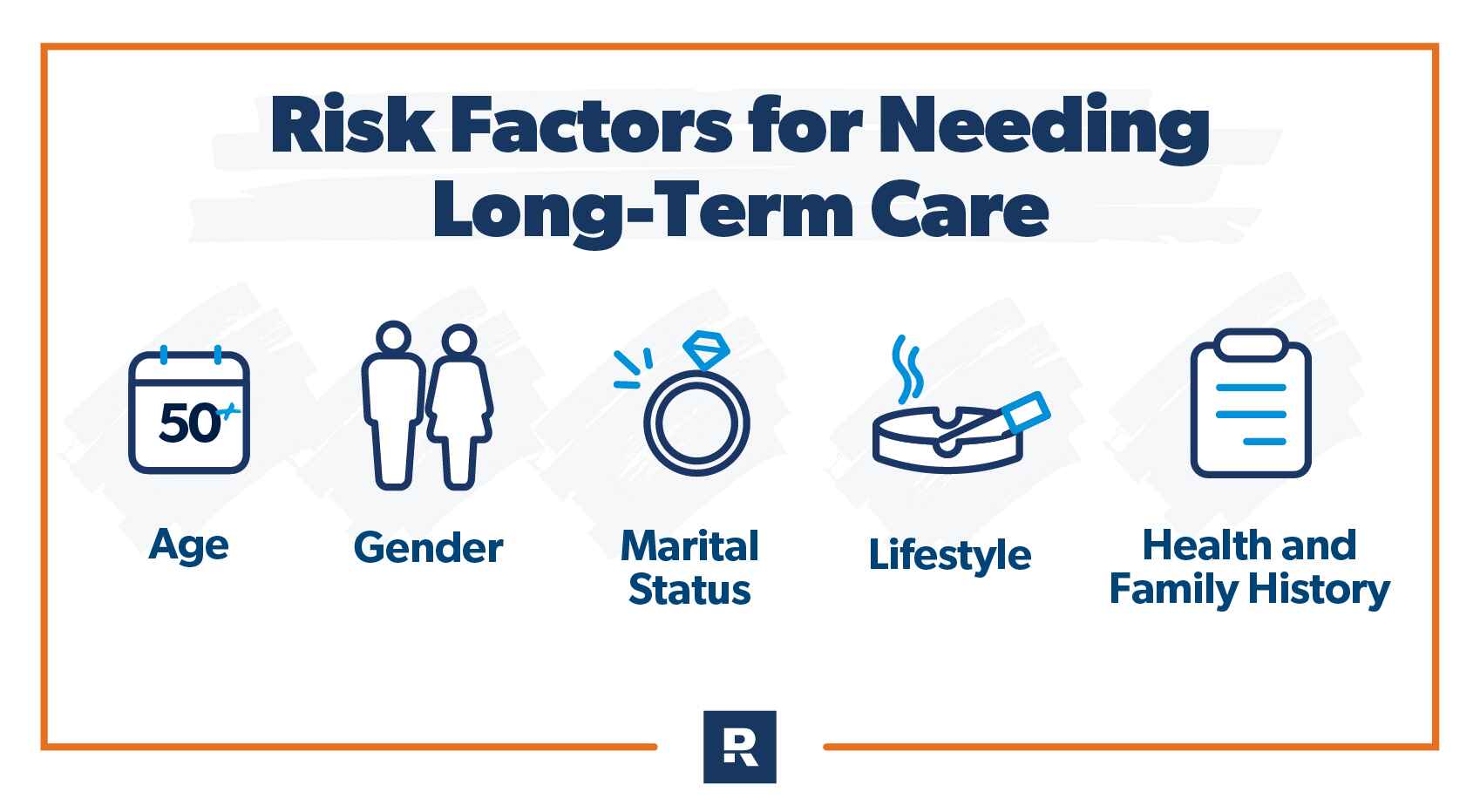
Long-lasting care (likewise called "custodial care" or "long-term services and assistance") includes medical and non-medical take care of people who have a persistent health problem or special needs. The majority of long-term care assists with fundamental individual tasks of everyday life, sometimes called "activities of day-to-day living." This includes things like: Assist with personal care help (like dressing, bathing, and using the restroom)Home-delivered mealsAdult day health careTransportationIt's important to start preparing for non-medical long-lasting care now to preserve your independence and ensure you get the care you might require, in the setting you want, now and in the future.
How can I discover out about long-term care options if I'm presently in a medical facility or retirement home?.
As you age, there may come a day when you require some additional help taking care of yourself. Long-lasting care is the personal support you may need if you're not able to perform the Activities of Daily Living, or ADLs, on your own for an extended period of time.
Think about these average everyday costs of care:1 Housewife services: $163 each day Home health aide: $169 daily Helped living center: $148 per day Semi-private space in a retirement home: $260 per day Private space in an assisted living home: $297 per day Most retirees can't pay for to pay for long-lasting care by themselves, many turn to long-lasting care insurance coverage.
Using Life Insurance for Retirement Income
It can cover your costs in a variety of settings, from your own home to center areas, such as adult daycare, a nursing home or nursing home. Long-lasting care policies generally repay you a monetary daily amount (up to a preselected limit) for assisted care services, such as consuming, bathing or dressing.
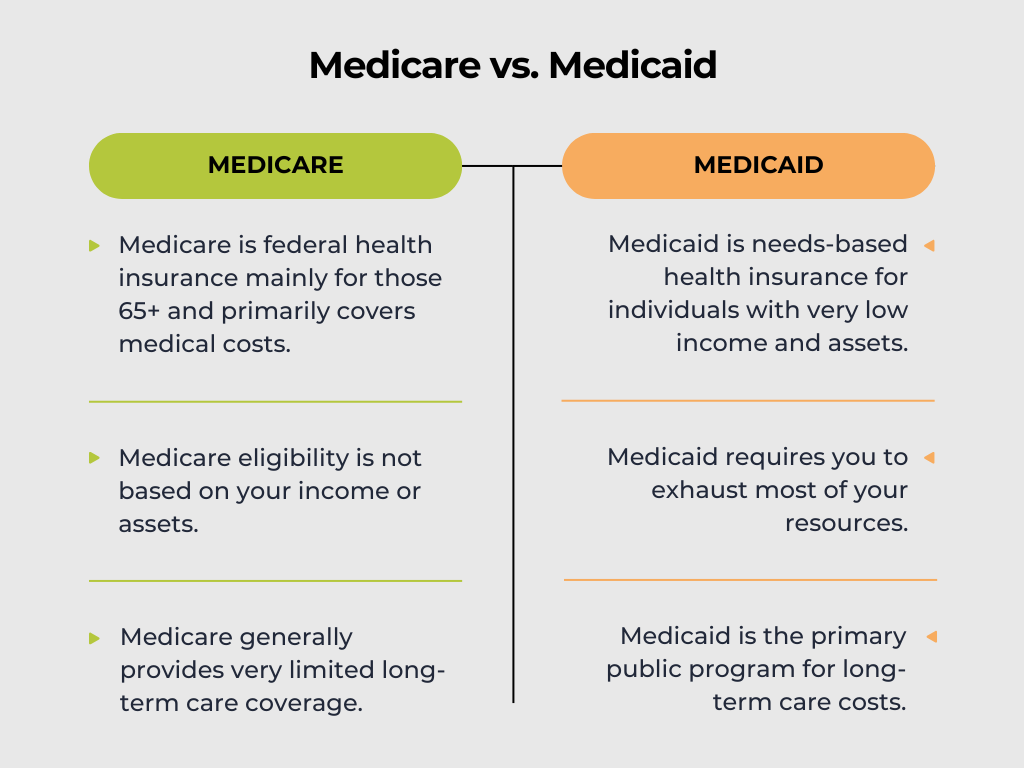
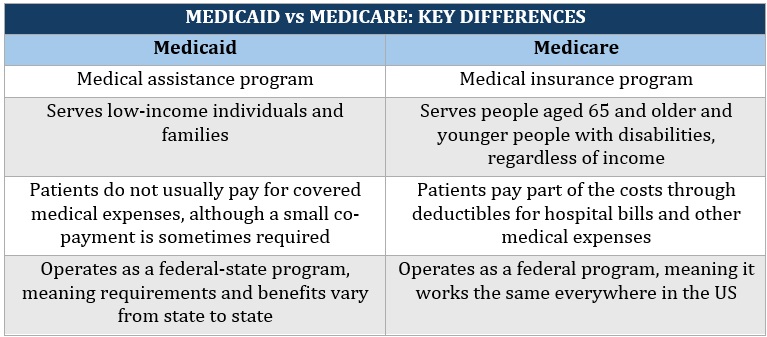
Nevertheless, this largely isn't real. Here are some main differences between these coverage types: is created to cover severe care, or the care you need when you're sick and will ultimately recuperate from your disease. It covers doctor visits, healthcare facility stays and rehabilitative care. is developed to assist cover ongoing custodial care.
Retirement Planning Huntington Beach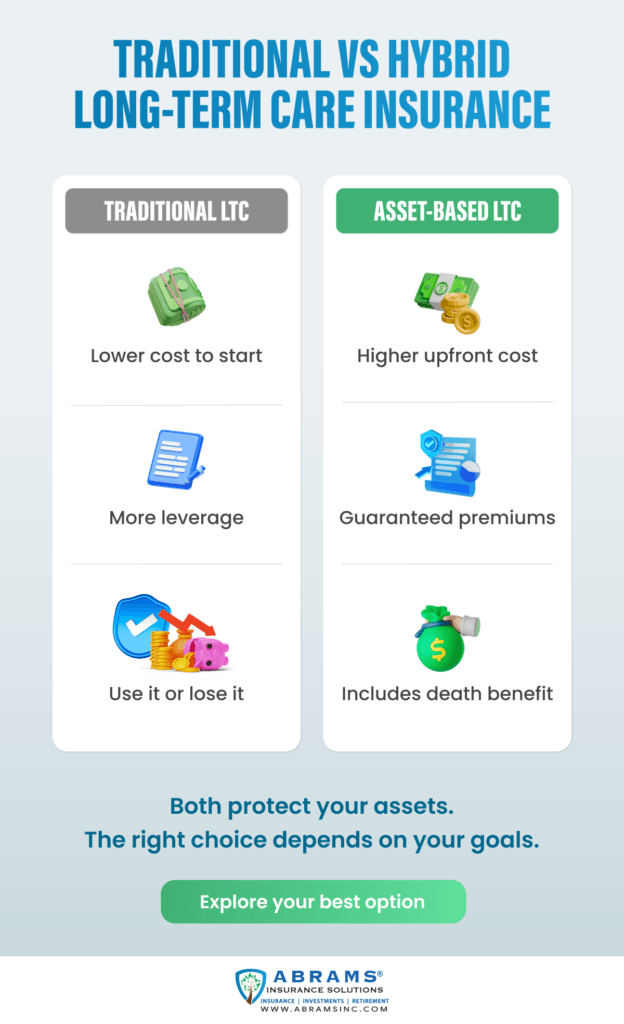
Medicare has a skilled nursing facility advantage that pays part of the cost of experienced care for a limited time period when the purpose is to assist a person recover after a specific medical issue. Under this benefit, experienced nursing care is only covered in full for 20 days and then partly for 21 to 100 days, without any protection after 100 days.
2 When it concerns Medicare protection for home healthcare, the secret is whether the care is competent or not. Medicare does not cover home health aide services (like bathing, dressing and using the bathroom) unless you're likewise receiving knowledgeable care such as nursing care or other therapy. Home health assistant services are never ever covered when that is the only care you require.
Evaluating the Best Annuity for Retirement
Long-lasting care insurance is specifically created to assist pay the cost of long-term care services by offering coverage straight for center and home health care. We recommend seeking advice from with a relied on consultant or an insurance agent that focuses on long-lasting care before making any insurance purchase. Bankers Life can assist you take the next action in preparing your long-lasting care plan.
Assisted Living Home Costs in 2023, ,, Experienced nursing facility (SNF) care, ,, Home health services, , 2023. Bankers Life and their certified agents/producers are not gotten in touch with or backed by the U.S. government or the federal Medicare program. ICC23-210431.
You normally can't get covered long-term care with Medicare. So, does Medicare pay for any assisted living home care? Beyond the healthcare you need, it doesn't. However various parts of Medicare may aid with services like knowledgeable nursing care. Medicare Part A offers healthcare facility insurance coverage. This generally has absolutely nothing to do with nursing home care.
Medicare Part B offers medical insurance. This typically implies preventive care, which you might receive in an assisted living home setting. Part B doesn't cover the stay itself unless it's a medically necessary short-term stay. A long-term stay with custodial care would not be covered. Medicare Benefit (Part C) provides all the coverage you get from Components A and B.
Like Part A and Part B, Medicare Advantage does not generally cover custodial care. You can get an Institutional Unique Requirements Plan (I-SNP) that might use this protection. Medicare Part D offers prescription drug protection. If you need a covered prescription drug while remaining in a retirement home, Part D will help pay for it.

Latest Posts
Why Your Medicare Supplement Needs a Hospital Add-on

How to Prepare for Upcoming Long-Term Care Expenses
Managing Rising Medical Rates in 2026